Choosing the right siding for a house is the cornerstone of protecting the structure, cutting energy costs, and boosting curb appeal, and homeowners usually start by comparing durability, maintenance, and aesthetics. Modern siding options—ranging from fiber‑cement to high‑performance vinyl—offer far more than a simple skin; they can act as a thermal barrier, a moisture shield, and a design statement all at once. For an in‑depth look at one of the most popular choices, see our Vinyl Siding 2026 Guide, which breaks down cost, installation, and energy‑efficiency benefits.
Why Siding Matters: Core Benefits and Decision Triggers
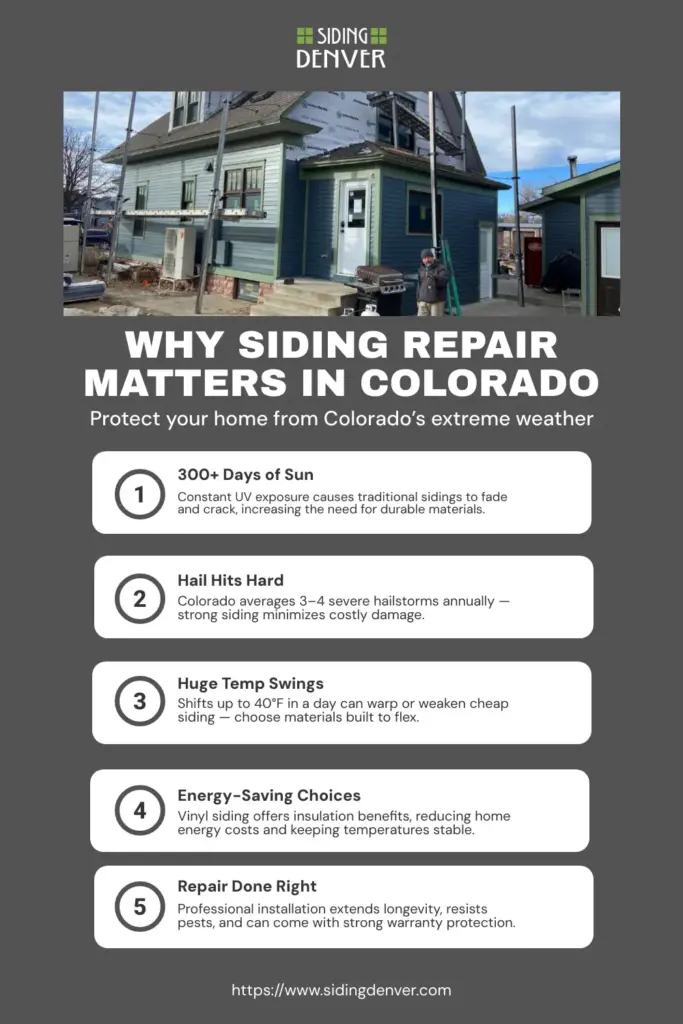
Homeowners turn to siding upgrades for three primary reasons: protecting the building envelope, improving energy efficiency, and enhancing visual appeal. A well‑chosen system reduces heat loss by up to 30 % according to the U.S. Department of Energy’s 2025 Residential Energy Consumption Survey, which translates into noticeable savings on heating and cooling bills. Moreover, durable siding resists rot, pests, and UV degradation, extending the service life of the structure and preserving resale value.
Top Siding Materials in 2026: Performance, Cost, and Aesthetics
Fiber‑Cement Siding (James Hardie and Hardie Board)
Fiber‑cement siding remains the go‑to for homeowners who demand durability and a premium look without the maintenance of wood. James Hardie’s proprietary blend of cement, sand, and cellulose fibers offers a 50‑year warranty against warping and cracking. The material’s fire‑rating of Class A makes it especially attractive in regions prone to wildfires. For a detailed exploration of James Hardie’s product line, refer to our James Hardie Siding 2026: Complete Guide.
Table of Contents
- Why Siding Matters: Core Benefits and Decision Triggers
- Top Siding Materials in 2026: Performance, Cost, and Aesthetics
- Fiber‑Cement Siding (James Hardie and Hardie Board)
- Vinyl Siding
- Engineered Wood Siding
- Metal Siding (Aluminum & Steel)
- Energy‑Efficient Siding: How It Works and What to Look For
- Installation Considerations: DIY vs. Professional
- Key Steps for a Professional Install
- Real‑World Case Study: A Mid‑Century Home Retrofit
- Common Mistakes and How to Avoid Them
- Frequently Asked Questions
- What is the average lifespan of different siding types?
- Does siding affect home insurance premiums?
- Can I install siding over existing wood clapboard?
- Is insulated vinyl siding worth the extra cost?
- Choosing the Right Siding for Your House: A Decision Framework
- Future Trends: What’s Next for Residential Siding?
- Conclusion
- Pros: Excellent wind resistance (up to 150 mph), low maintenance, versatile textures.
- Cons: Higher upfront cost (≈ $8–$12 per sq ft), requires professional installation.
Vinyl Siding
Vinyl siding continues to dominate the market due to its affordability and ease of installation. Advances in polymer technology have yielded thicker, insulated panels that meet ENERGY STAR® standards, delivering R‑values of up to 3.5 for the most efficient products. The material resists moisture, pests, and fading, though it can become brittle in extreme cold.
- Pros: Cost‑effective (≈ $3–$5 per sq ft), low‑maintenance, wide color palette.
- Cons: Susceptible to impact damage, less authentic “wood” texture.
Engineered Wood Siding
Engineered wood blends real wood fibers with resin binders, offering a natural grain appearance at a fraction of the cost of solid wood. When properly sealed, it resists rot and termite intrusion for up to 30 years. However, it still requires periodic repainting to maintain its protective coating.
Metal Siding (Aluminum & Steel)
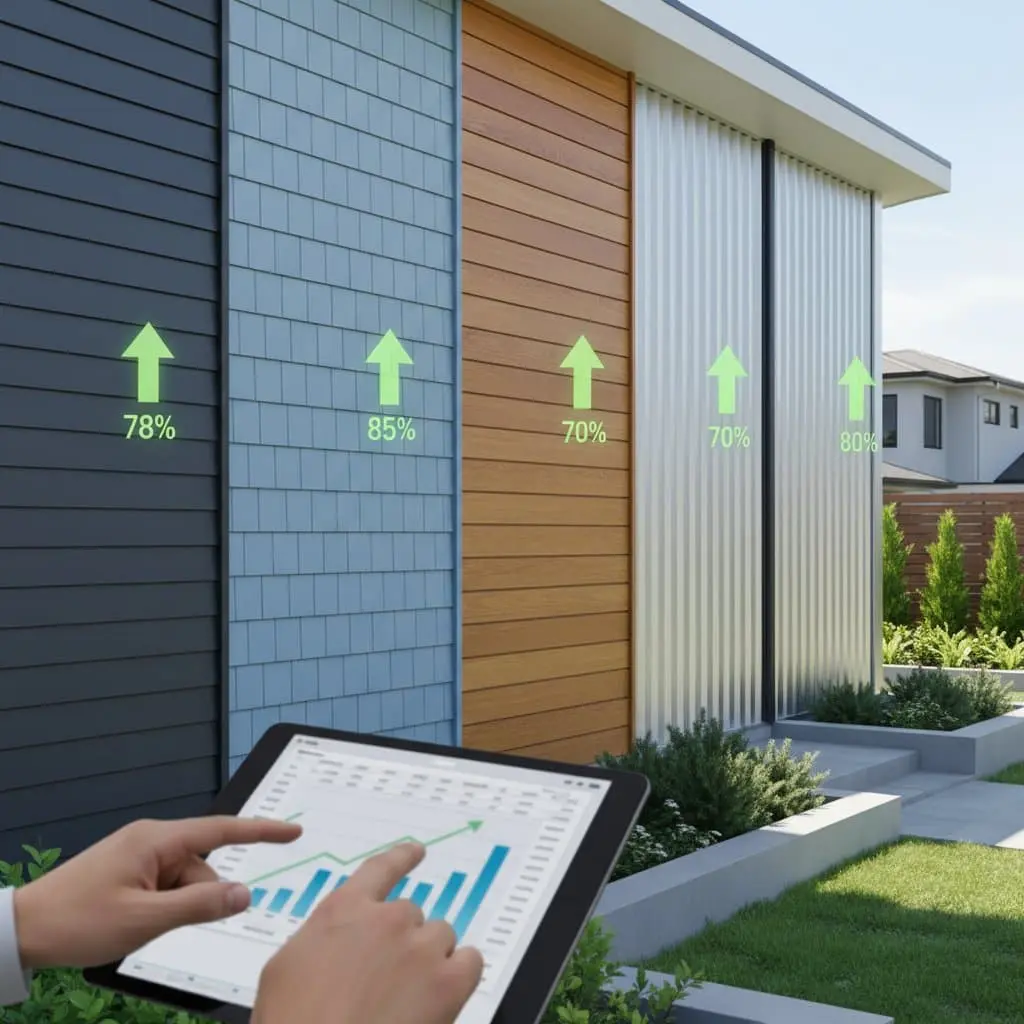
Metal panels, particularly zinc‑coated steel, are prized for their sleek, contemporary look and superb durability. They are 100 % recyclable and can be painted with low‑VOC finishes. A 2025 study by the Metal Roofing Alliance showed that metal siding can reflect up to 70 % of solar heat, lowering cooling loads in hot climates.
Energy‑Efficient Siding: How It Works and What to Look For
Energy‑efficient siding typically incorporates an insulating layer—either foam backing or a rigid board—behind the exterior face. This “continuous insulation” minimizes thermal bridging, a common source of heat loss in traditional wall assemblies. Look for products with an R‑value rating of at least 2.0 for the cladding alone; combined with wall cavity insulation, the overall envelope can achieve an R‑value of 30 + in many climates.
For a broader view on how exterior finishes complement overall home energy performance, see our Exterior Doors 2026: Ultimate Guide, which details door‑frame insulation and low‑U‑value glazing.
Installation Considerations: DIY vs. Professional
While vinyl siding can be installed by competent DIYers, fiber‑cement and metal panels often require specialized tools and safety precautions—particularly for cutting and handling heavy sheets. Improper installation can compromise the weather‑resistive barrier, leading to moisture intrusion and mold growth.
Key Steps for a Professional Install
- Inspect and repair the sheathing, ensuring a flat, dry substrate.
- Apply a water‑resistive barrier (WRB) such as house wrap with taped seams.
- Install flashing around windows, doors, and roof intersections to direct water away.
- Use corrosion‑resistant fasteners appropriate for the material (e.g., stainless steel for coastal locations).
- Maintain proper expansion gaps (typically ¼ in.) to accommodate thermal movement.
Real‑World Case Study: A Mid‑Century Home Retrofit
In 2025, a homeowner in Portland, Oregon, replaced the original wood clapboard with insulated fiber‑cement siding. The project, documented by the Home Energy Rating System (HERS) program, reported a 28 % reduction in heating demand and a 15 % drop in cooling load within the first year. The house also achieved a HERS score improvement from 85 to 68, qualifying for a local utility rebate.
Common Mistakes and How to Avoid Them
- Skipping the WRB: Omitting house wrap eliminates the first line of defense against wind‑driven rain. Even premium siding cannot compensate for a missing barrier.
- Improper Flashing: Incorrectly installed flashing creates pathways for water to seep behind the siding, often resulting in hidden rot.
- Choosing the Wrong Material for Climate: Metal siding in coastal salty air can corrode without proper coating; vinyl in very cold regions can become brittle.
- Neglecting Ventilation: Siding systems that trap moisture without adequate breathability can lead to mold—especially with fiber‑cement.
Frequently Asked Questions
What is the average lifespan of different siding types?
Vinyl: 20–30 years; Fiber‑cement (Hardie Board): 30–50 years; Engineered wood: 20–30 years; Metal: 40–70 years with proper coating.
Does siding affect home insurance premiums?
Yes. Homes with fire‑rated fiber‑cement or metal siding often qualify for lower fire‑damage premiums, according to the Insurance Institute for Business & Home Safety (2025 data).
Can I install siding over existing wood clapboard?
In many cases, a new layer can be applied directly over sound, flat wood siding, provided a WRB is installed and local building codes permit a maximum total thickness of 1 inch.
Is insulated vinyl siding worth the extra cost?
Insulated vinyl adds roughly $0.50–$1.00 per square foot, but the energy savings—especially in colder climates—can offset the investment within 5–7 years, per Energy Star’s 2025 cost‑benefit analysis.
Choosing the Right Siding for Your House: A Decision Framework
Begin by evaluating three factors: climate, budget, and desired aesthetic. Use the following matrix to narrow options:
| Climate | Best‑Fit Materials | Key Benefits |
|---|---|---|
| Hot, humid (e.g., Southern US) | Vinyl with insulation, Fiber‑cement | Moisture resistance, UV stability |
| Cold, snowy (e.g., Midwest) | Insulated vinyl, Engineered wood | Thermal break, low thermal bridging |
| Coastal, salty air | Metal with protective coating, Fiber‑cement | Corrosion resistance, fire rating |
| Mixed/variable | Hybrid systems (e.g., fiber‑cement with insulated backer) | Versatility, longevity |
When you have a shortlist, request samples, verify warranty terms, and confirm that the manufacturer’s product meets local building codes. For a deeper dive into a specific brand’s performance, the Hardie Board Siding 2026: Ultimate Guide offers side‑by‑side comparisons of texture options and energy‑efficiency ratings.
Future Trends: What’s Next for Residential Siding?
By 2027, smart siding—integrating built‑in solar micro‑panels and temperature sensors—will begin entering the mainstream market. Early adopters report a 12 % reduction in overall electricity consumption when the panels feed directly into a home’s net‑metering system. Additionally, manufacturers are experimenting with bio‑based composites that combine recycled plant fibers with low‑VOC resins, aiming for carbon‑neutral production cycles.
Conclusion
Investing in the right siding for a house is a strategic decision that impacts energy consumption, structural durability, and market value. Whether you prioritize the low‑maintenance appeal of vinyl, the rugged fire‑rating of fiber‑cement, or the sleek modernity of metal, modern products deliver measurable performance gains when installed correctly. By assessing climate, budget, and aesthetic goals—and by avoiding common pitfalls—you can select a siding system that safeguards your home for decades while delivering tangible cost savings.
