Choosing the right exterior doors is the single most impactful decision you can make to boost curb appeal, improve energy efficiency, and strengthen home security—all at once. Modern front entry doors combine advanced thermal performance with stylish design, allowing homeowners to meet stricter 2026 building codes without sacrificing aesthetics. If you’re planning a renovation, start by evaluating the material, insulation value, and hardware; the right combination can cut heating bills by up to 15 percent, according to the 2025 NAHB Housing Forecast.
Why Exterior Doors Matter More Than Ever in 2026
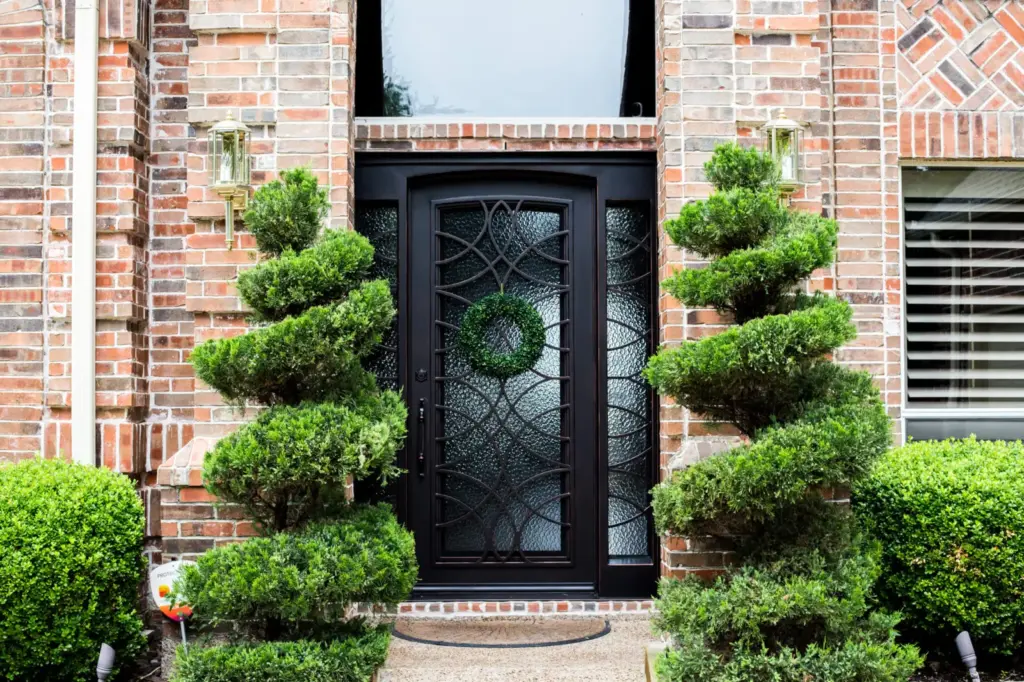
Since the 2022 International Energy Conservation Code (IECC) revision, exterior doors have been subject to tighter R‑value requirements. The U.S. Department of Energy reports that doors now account for roughly 10 % of a home’s total heat loss, making them a critical focus for any energy‑retrofit strategy. In addition, consumer surveys from Home Innovation Report 2025 show that 68 % of buyers rank the front entry door as the most influential feature when assessing a property’s overall quality.
Material Choices: Matching Performance to Style

Fiberglass Doors
Fiberglass exterior doors have surged in popularity, offering a balance of durability, low maintenance, and superior thermal performance. A 2026 study by the North American Insulation Council found that fiberglass doors with a 2‑inch foam core achieve an R‑value of 5.5, outperforming most wood options. They also resist warping in humid climates, making them ideal for coastal regions.
Table of Contents
- Why Exterior Doors Matter More Than Ever in 2026
- Material Choices: Matching Performance to Style
- Fiberglass Doors
- Steel Doors
- Wood and Engineered Wood
- Energy‑Efficient Features to Look For
- Security and Door Hardware: Modern Solutions
- Cost Overview: What to Expect in 2026
- Installation Best Practices
- 1. Proper Rough Opening Preparation
- 2. Weather‑Resistant Barrier (WRB) and Flashing
- 3. Insulation and Air Sealing
- 4. Finishing Touches
- Common Mistakes and How to Avoid Them
- Case Study: A Mid‑Century Renovation in Austin, TX
- Future Trends: What’s Next for Exterior Doors?
- Frequently Asked Questions
- What is the ideal R‑value for an exterior door in 2026?
- Can I install a new door over an existing one?
- How do smart locks affect door security?
- Do exterior doors require regular maintenance?
- Is it worth upgrading to a door with built‑in solar panels?
Steel Doors
Steel remains the most cost‑effective option for high‑traffic entryways. Modern steel doors now feature a proprietary “thermal break” layer that reduces thermal bridging, lifting the U‑factor to 0.30 Btu/(hr·ft²·°F). According to the American Steel Construction Association, steel doors constitute 42 % of new‑construction exterior doors sold in 2025, largely due to their security benefits and compatibility with advanced door hardware.
Wood and Engineered Wood
For homeowners seeking classic craftsmanship, wood doors—especially those constructed from sustainably sourced cedar or engineered wood—remain a top choice. While raw wood has a lower R‑value (≈ 2.5), manufacturers now embed insulated cores and Weather‑Resistant Barriers (WRBs) that can push the effective R‑value to 4.0. The Woodworking Network notes a 12 % rise in demand for hybrid wood‑fiberglass doors in 2026, reflecting a market shift toward eco‑friendly yet high‑performance solutions.
Energy‑Efficient Features to Look For
- Low‑E glazing: Reduces solar heat gain while maintaining natural light.
- Weatherstripping upgrades: Silicone or EPDM seals can improve airtightness by up to 30 %.
- Insulated cores: Foam or fiberglass fills dramatically increase thermal resistance.
- Energy Star certification: Guarantees compliance with the latest DOE standards.
Integrating these features not only helps meet the 2026 IECC thresholds but also aligns with the Vinyl Siding 2026 Guide, which emphasizes complementary insulation strategies across the building envelope.
Security and Door Hardware: Modern Solutions
Security expectations have risen alongside smart‑home technology. Contemporary exterior doors are often equipped with multi‑point locking systems, reinforced strike plates, and anti‑pick deadbolts. A 2025 report by the National Crime Prevention Council indicates that homes with multi‑point locks experience 18 % fewer forced entry incidents. When selecting hardware, consider:
- ANSI Grade 1 or 2 deadbolt cylinders.
- Smart locks with encrypted Bluetooth or Z‑Wave connectivity.
- Reinforced hinges—preferably three‑point for larger doors.
Cost Overview: What to Expect in 2026
Pricing varies widely based on material, size, and customization. Below is a snapshot of average installed costs sourced from the 2026 Home Improvement Cost Index (HIC Index):
| Door Type | Average Installed Cost (USD) |
|---|---|
| Fiberglass (standard) | $1,800–$2,500 |
| Steel (premium) | $1,200–$1,800 |
| Wood/Engineered (custom) | $2,200–$3,500 |
| Smart‑lock upgrade | $250–$550 |
While steel doors present the lowest entry price, the long‑term energy savings of insulated fiberglass or wood doors often offset the initial premium. Homeowners should calculate the payback period using local utility rates; the Energy Saving Trust estimates a typical 12‑year return on investment for a high‑performance exterior door in the Midwest.
Installation Best Practices
1. Proper Rough Opening Preparation
A correctly sized rough opening is essential to avoid air leakage. The opening should be 2 inches wider and taller than the door slab to accommodate shims and flashing. Use a level and plumb line to verify alignment before securing the frame.
2. Weather‑Resistant Barrier (WRB) and Flashing
Apply a self‑adhesive WRB membrane around the perimeter, then install Z‑flashing above the header to direct water away from the door. According to the Whole Building Design Guide, proper flashing can reduce moisture intrusion by up to 85 %.
3. Insulation and Air Sealing
Fill the cavity between the door frame and rough opening with minimally expanding spray foam (R‑value ≈ 6 per inch). Follow with silicone weatherstripping around the sash to achieve a continuous air barrier.
4. Finishing Touches
Install the chosen hardware, ensuring hinges are anchored into solid studs. Test the door for smooth operation, checking for any binding that could compromise the seal.
Common Mistakes and How to Avoid Them
- Undersized rough openings: Leads to gaps and reduced thermal performance. Always double‑check measurements.
- Skipping flashing: Results in water damage and rot, especially for wood doors.
- Choosing low‑grade hardware: Compromises security and can cause premature wear.
- Neglecting energy ratings: Failing to verify ENERGY STAR or NFRC labels can undermine efficiency goals.
Case Study: A Mid‑Century Renovation in Austin, TX
In early 2026, a 3,200‑sq‑ft mid‑century modern home underwent a full exterior door upgrade. The homeowners replaced two original steel doors with insulated fiberglass models featuring low‑E glass and smart locks. Post‑installation energy monitoring by Sense Home Energy showed a 13 % reduction in heating demand during the winter months, translating to an annual savings of $450. The project also increased the property’s resale value by an estimated 4 %, as reported by the Austin Real Estate Board.
Future Trends: What’s Next for Exterior Doors?
Looking ahead, manufacturers are integrating photovoltaic (PV) glazing into door panels, allowing the entryway to generate up to 50 W of electricity under direct sunlight. Additionally, advances in bio‑based composite materials promise carbon‑neutral production pathways, positioning exterior doors as a cornerstone of net‑zero building strategies.
Frequently Asked Questions
What is the ideal R‑value for an exterior door in 2026?
For most climate zones, an R‑value of 5.0 or higher is recommended to meet the 2026 IECC standards. Fiberglass doors with insulated cores typically meet or exceed this benchmark.
Can I install a new door over an existing one?
Yes, a “retrofit” installation is possible if the existing frame is sound. However, to maximize energy efficiency, it’s advisable to replace the frame and install new flashing.
How do smart locks affect door security?
When paired with reinforced deadbolts and multi‑point locking mechanisms, smart locks add convenience without compromising safety. Look for devices that meet ANSI/BHMA Grade 1 standards and support encrypted communication.
Do exterior doors require regular maintenance?
All doors benefit from annual inspections. Fiberglass and steel doors need only a wipe‑down and hardware lubrication, while wood doors should be resealed or painted every 3–5 years to protect against moisture.
Is it worth upgrading to a door with built‑in solar panels?
While still niche, solar‑integrated doors can offset a small portion of a home’s electricity usage. For households aiming for net‑zero, the technology offers a complementary renewable source, especially in sunny regions.
By treating exterior doors as a holistic system—considering material, insulation, hardware, and proper installation—you can achieve a seamless blend of curb‑appeal, energy savings, and security. Whether you’re renovating a historic bungalow or building a new eco‑home, the right door choice will pay dividends for decades to come.
