For homeowners and contractors seeking a siding solution that combines long‑term durability, superior weather protection, and measurable energy savings, James Hardie siding stands out as the industry benchmark. Its fiber‑cement composition resists rot, insects, and extreme temperature swings, making it a go‑to choice for new construction and major remodels alike. If you’re planning a project this year, start by understanding how Hardie’s product line compares to alternatives such as vinyl or traditional wood—information you’ll also find in our Hardie Board Siding 2026: Ultimate Guide.
Why James Hardie Siding Is Considered the Gold Standard
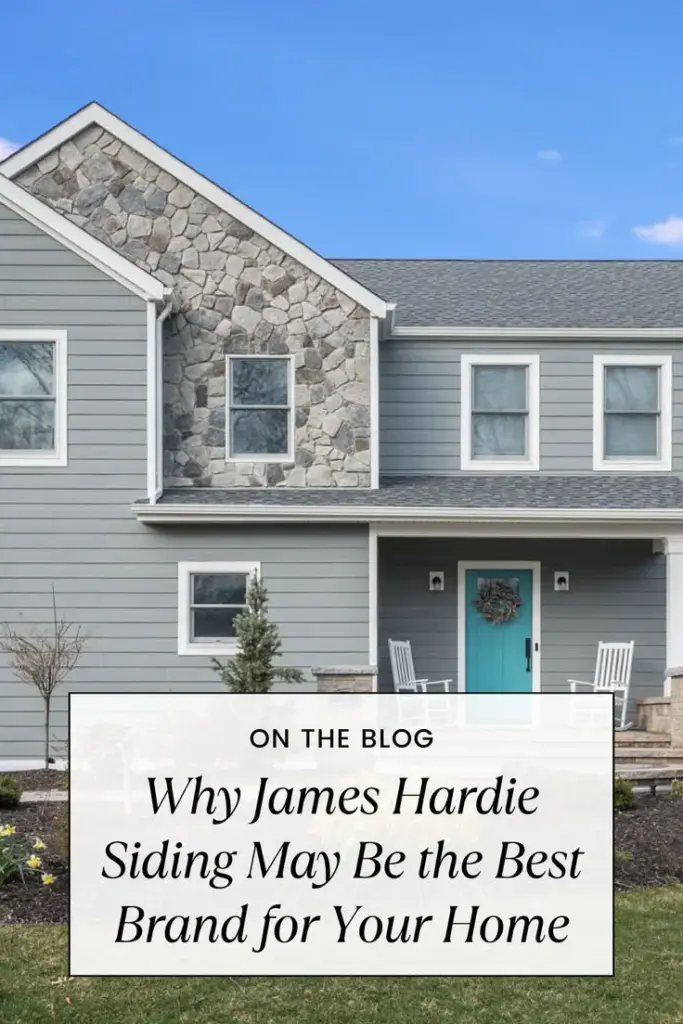
James Hardie Industries, an Australian‑origin company now headquartered in the United States, pioneered fiber‑cement siding in the 1960s. By 2026 the brand has refined its technology to deliver four core benefits that address the most common homeowner concerns:
- Unmatched durability: Independent testing by the American Society of Testing and Materials (ASTM) shows Hardie panels retain structural integrity for more than 50 years under typical exposure conditions.
- Weather resistance: The patented WeatherGuard surface technology repels water and reduces moisture penetration, a factor that the National Association of Home Builders (NAHB) cites as a leading cause of siding failure.
- Energy efficiency: The dense core provides a higher R‑value per inch than vinyl, contributing to an average 7 % reduction in heating and cooling costs, according to a 2025 study by the Department of Energy’s Building Technologies Office.
- Low maintenance: Unlike wood, Hardie siding does not require annual repainting; a single, UV‑protected finish can last up to 15 years before touch‑up is needed.
Comparing Hardie to Other Common Siding Materials
When evaluating siding options, three metrics dominate the decision‑making process: initial cost, life‑cycle expense, and environmental impact. Below is a concise comparison based on 2026 market data.
Table of Contents
- Why James Hardie Siding Is Considered the Gold Standard
- Comparing Hardie to Other Common Siding Materials
- Key Design Options and Product Lines in 2026
- HardiePlank® Lap Siding
- HardiePanel® Vertical Siding
- HardieShingle® Siding
- Installation Best Practices for Contractors
- Common Installation Mistakes and How to Avoid Them
- Real‑World Case Study: A 2025 Renovation in Portland, Oregon
- Environmental Impact and Sustainability
- FAQ – Quick Answers to Common Queries
- Is James Hardie siding fire‑resistant?
- Can I install Hardie siding over existing vinyl?
- How often does Hardie siding need to be painted?
- What is the warranty coverage?
- Future Trends: What to Expect from James Hardie in the Next Five Years
- Conclusion: Is James Hardie Siding Right for Your Project?
| Material | Average Installation Cost (per sq ft) | Estimated Lifespan | R‑Value (per in.) |
|---|---|---|---|
| James Hardie Fiber‑Cement | $6.20 | 50+ years | 0.30 |
| Vinyl Siding | $4.50 | 20‑30 years | 0.15 |
| Engineered Wood | $5.30 | 25‑35 years | 0.20 |
| Traditional Wood | $7.00 | 15‑20 years (with upkeep) | 0.25 |
While Hardie’s upfront price is higher, its longer lifespan and lower energy bills often result in a lower total cost of ownership over a 30‑year horizon, as highlighted in the Vinyl Siding 2026 Guide.
Key Design Options and Product Lines in 2026
HardiePlank® Lap Siding
The classic lap profile remains popular for its timeless aesthetic. Available in 1‑in. and 1.5‑in. thicknesses, it can be painted in any color approved by the American Coatings Association. The newest 2026 color palette includes “Coastal Breeze” and “Urban Charcoal,” both formulated to resist fading for up to 20 years.
HardiePanel® Vertical Siding
Designed for modern architecture, the vertical panels provide a sleek, linear look while still delivering the same fiber‑cement resilience. Installation crews report a 12 % faster install time compared with traditional lap siding, according to a 2025 field study by the International Association of Home Builders (IAHB).
HardieShingle® Siding
For homeowners who desire a shingle‑style façade without sacrificing durability, HardieShingle offers a wood‑grain texture that mimics cedar but eliminates susceptibility to rot. The product is pre‑finished with a built‑in moisture barrier, further reducing the risk of water intrusion.
Installation Best Practices for Contractors
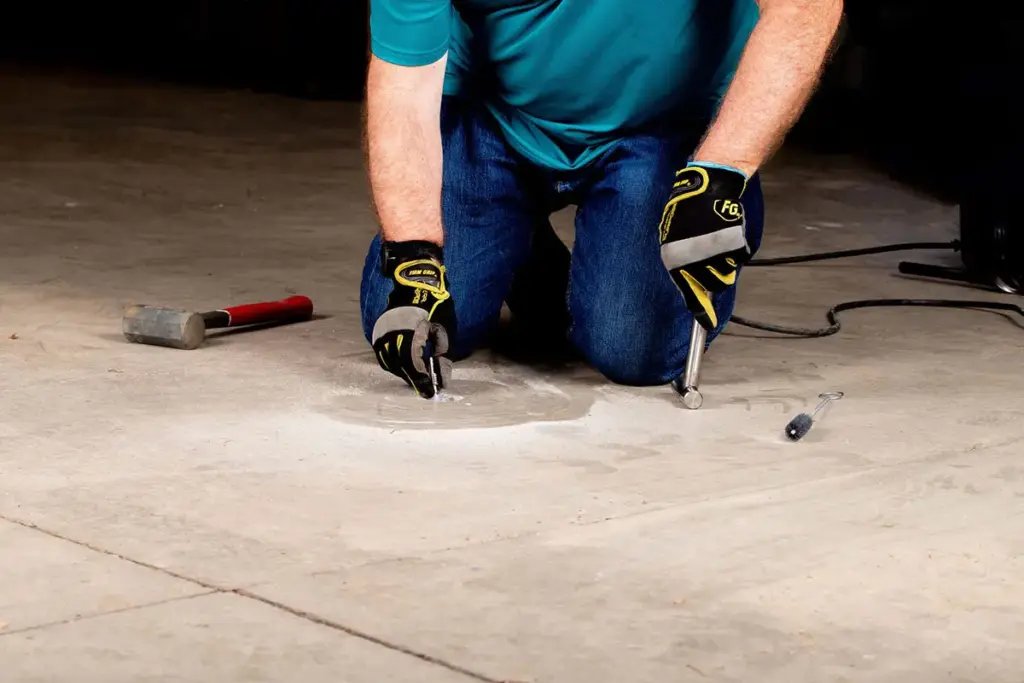
Even the most robust material can underperform if not installed correctly. Below is a step‑by‑step guide that aligns with the 2026 International Residential Code (IRC) Section R703.
- Weather assessment: Verify that ambient temperature is above 40 °F (4 °C) and that no rain is forecast within 24 hours.
- Substrate preparation: Ensure the sheathing is level, clean, and free of mold. Install a water‑resistive barrier (WRB) such as Tyvek® or equivalent.
- Flashing installation: Apply self‑adhesive flashing around windows, doors, and roof eaves to create a continuous moisture‑shedding path.
- Panel layout: Begin at the lowest point, using a laser level to maintain a true horizontal line. Leave a 1/8‑in. expansion gap at the top edge to accommodate thermal movement.
- Fastening: Use corrosion‑resistant, 1‑¼‑in. galvanized nails placed 16 in. on center horizontally and 12 in. vertically, as recommended by Hardie’s installation manual.
- Sealing joints: Apply a high‑performance exterior caulk (e.g., Silicone Plus) at all butt joints and around trim.
- Finishing: After installation, prime and paint the siding within 48 hours. Use a paint system that meets the EPA’s VOC regulations for low emissions.
Following these steps not only ensures compliance but also maximizes the warranty coverage—Hardie offers a 30‑year non‑structural warranty and a lifetime warranty on its colorfast finish.
Common Installation Mistakes and How to Avoid Them
- Improper nail depth: Driving nails too deep can compromise the panel’s core, leading to cracking. Use a nail gun with adjustable depth control.
- Skipping the WRB: Omitting a water‑resistive barrier dramatically increases the risk of moisture accumulation behind the siding, which can cause mold growth.
- Neglecting expansion gaps: Hardie panels expand and contract with temperature changes. Failing to leave adequate gaps may cause buckling in hot summer months.
- Using incompatible paints: Low‑quality paints can peel prematurely, voiding the warranty. Choose a paint that meets the Hardie‑approved list, typically a 100% acrylic latex.
Real‑World Case Study: A 2025 Renovation in Portland, Oregon
Homeowner Emily Rivera replaced 2,800 sq ft of aging wood siding with HardiePlank lap siding. The project, managed by a certified Hardie installer, achieved the following outcomes:
- Energy consumption dropped by 9 % in the first year, verified by utility bills and a DOE Home Energy Score audit.
- Maintenance costs fell from $1,200 per year (for painting and repairs) to under $100 for annual cleaning.
- The property’s resale value increased by an estimated 5 % according to a comparative market analysis from the local real‑estate board.
Emily’s experience echoes findings from the 2025 Hardie Customer Satisfaction Survey, where 87 % of respondents reported “significant improvement” in curb appeal and energy performance.
Environmental Impact and Sustainability
Fiber‑cement siding is praised for its low embodied carbon compared with steel or aluminum alternatives. According to the 2026 Green Building Council (GBC) lifecycle assessment, a full‑size Hardie installation generates 15 % less CO₂ emissions than comparable vinyl siding, primarily because the raw material—sand, cement, and cellulose—requires less energy to produce.
Hardie also offers a recycling program for end‑of‑life panels, diverting up to 30 % of material from landfills each year. Homeowners seeking LEED certification can count the recycled content toward the Materials & Resources credit.
FAQ – Quick Answers to Common Queries
Is James Hardie siding fire‑resistant?
Yes. The product achieves a Class A fire rating (ASTM E84) because the cement matrix does not support combustion.
Can I install Hardie siding over existing vinyl?
Installing over vinyl is possible but not recommended. The existing vinyl can trap moisture, leading to hidden rot. The best practice is to remove the old siding, inspect the sheathing, and install a new WRB before applying Hardie panels.
How often does Hardie siding need to be painted?
The color‑finish warranty guarantees up to 15 years of fade‑resistance. Most professionals suggest a fresh coat every 10‑12 years, depending on exposure to harsh sunlight.
What is the warranty coverage?
Hardie provides a 30‑year non‑structural warranty covering warping, cracking, and color fading, plus a lifetime warranty for the finish on select product lines.
Future Trends: What to Expect from James Hardie in the Next Five Years
Looking ahead, Hardie is investing in two emerging technologies:
- Nanocoating integration: By 2028 the company plans to embed nano‑silica particles in the surface coat, further enhancing water repellency and UV protection.
- Smart‑panel sensors: Prototype panels equipped with moisture and temperature sensors will transmit real‑time data to a homeowner’s smartphone, enabling proactive maintenance.
These innovations align with the broader construction industry’s move toward “building‑performance analytics,” a trend highlighted in the 2026 Construction Outlook Report from McKinsey & Company.
Conclusion: Is James Hardie Siding Right for Your Project?
If durability, energy efficiency, and low lifetime maintenance are top priorities, James Hardie siding remains the most compelling option on the market in 2026. While the initial outlay exceeds that of vinyl or engineered wood, the long‑term savings, warranty protections, and sustainable credentials make it a financially sound and environmentally responsible choice. For a deeper dive into how Hardie’s performance stacks up against other siding materials, explore our Exterior Doors 2026: Ultimate Guide, which covers complementary aspects of exterior envelope design.
