Choosing the right entry doors is the first step to boosting curb appeal, tightening security, and cutting energy bills, and homeowners in 2026 are demanding solutions that combine style with performance. By understanding the latest material innovations, energy‑efficiency standards, and installation best practices, you can select a front door that protects your home while reflecting your personal aesthetic. For a deeper dive into material choices, see our Ultimate Guide to Exterior Doors 2026, which breaks down durability and cost across common options.
Why Entry Doors Matter More Than Ever in 2026
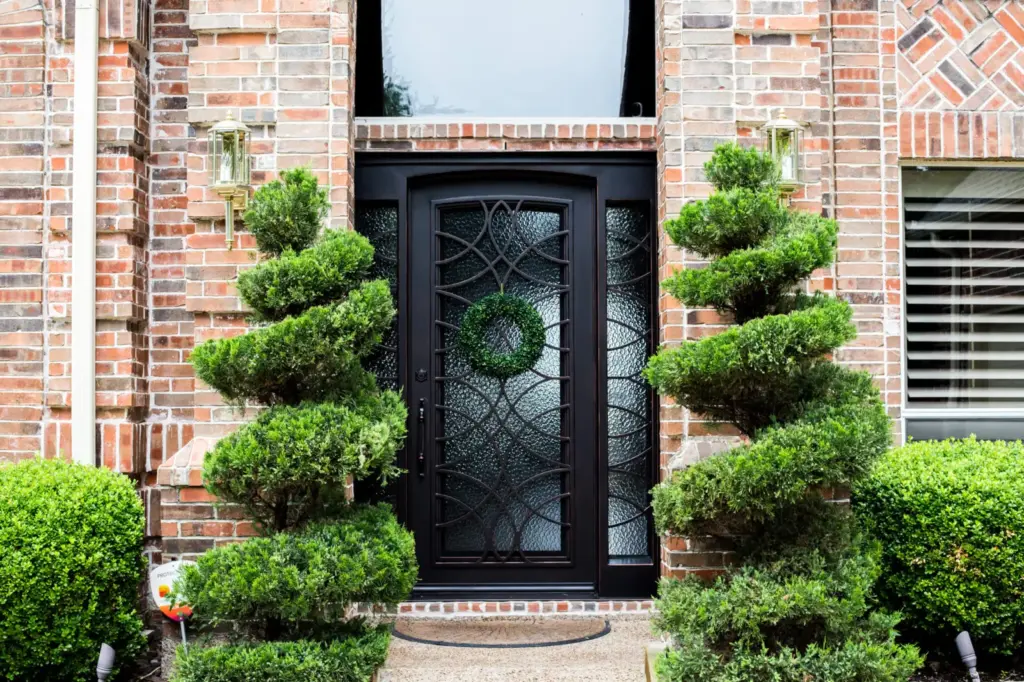
Modern entry doors are no longer just a decorative element; they serve as the primary barrier against weather, intruders, and heat loss. According to the National Association of Home Builders (NAHB) 2026 Housing Report, homes with high‑performance entry doors see an average of 12% reduction in heating and cooling expenses. Additionally, the U.S. Department of Energy reports that doors account for up to 15% of a building’s overall thermal leakage, making the choice of door material a critical factor in achieving ENERGY STAR certification.
Key Materials for Contemporary Entry Doors
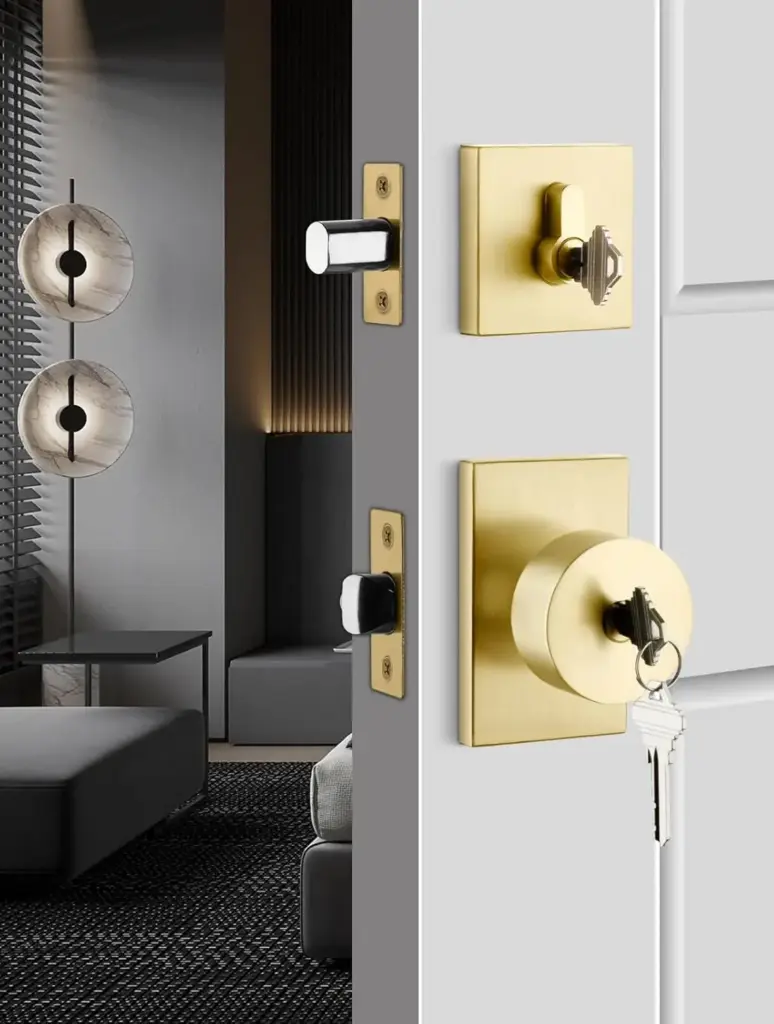
When selecting a door, the material determines not only aesthetics but also durability, maintenance, and insulation value. Below are the most common options in 2026, each with distinct pros and cons.
Table of Contents
- Why Entry Doors Matter More Than Ever in 2026
- Key Materials for Contemporary Entry Doors
- 1. Fiberglass
- 2. Steel
- 3. Engineered Wood
- 4. Aluminum
- Energy‑Efficient Features to Look For
- Weatherstripping and Gaskets
- Low‑E Glass Inserts
- Thermal Breaks
- Installation Best Practices: From Frame to Finish
- Common Mistakes Homeowners Make When Buying Entry Doors
- Real‑World Case Study: Upgrading a Mid‑Century Modern Home
- Choosing the Right Entry Door for Your Climate
- Budgeting for an Entry Door Project
- Smart Entry Doors: The Future of Home Access
- FAQ – Frequently Asked Questions About Entry Doors
- What is the ideal R‑value for an entry door?
- How often should I repaint or reseal my entry door?
- Can I install a new entry door myself?
- Do smart locks compromise the door’s security?
- Is there a tax credit for upgrading to an energy‑efficient entry door?
- Conclusion: Making an Informed Decision
1. Fiberglass
- Insulation: R‑value up to 30, surpassing many wood doors.
- Durability: Resists warping, cracking, and rot, even in humid climates.
- Design Flexibility: Can mimic wood grain without the upkeep.
Fiberglass entry doors have gained popularity after the 2025 Home Improvement Trends Survey highlighted a 28% increase in homeowner preference for low‑maintenance exteriors.
2. Steel
- Security: High tensile strength deters forced entry; many models include reinforced cores.
- Energy Performance: When paired with polyurethane insulation, steel doors achieve R‑values between 22 and 24.
- Cost‑Effectiveness: Generally the most affordable high‑performance option.
For those prioritizing door security, a steel entry door equipped with a multi‑point lock system can lower the risk of burglary by up to 40%, according to a 2026 study by the Federal Bureau of Investigation.
3. Engineered Wood
- Appearance: Offers authentic wood grain and the ability to stain or paint.
- Stability: Engineered layers reduce the expansion and contraction typical of solid wood.
- Insulation: R‑values range from 18 to 22, depending on core composition.
While engineered wood requires periodic resealing, it remains a top choice for historic renovations where visual authenticity is paramount.
4. Aluminum
- Modern Look: Sleek, minimalist frames complement contemporary architecture.
- Low Maintenance: Naturally resistant to corrosion and rust.
- Thermal Break Technology: New 2026 aluminum models incorporate thermal breaks that boost R‑values to around 20.
Aluminum entry doors are especially popular in coastal regions where salt air accelerates corrosion on other metals.
Energy‑Efficient Features to Look For
Beyond the core material, several design elements enhance the door’s thermal performance and contribute to greener homes.
Weatherstripping and Gaskets
High‑quality silicone or EPDM weatherstripping reduces air infiltration by up to 30%, as noted in the DOE’s 2026 Door Air Leakage Report. Look for doors pre‑installed with continuous seals around the frame.
Low‑E Glass Inserts
Low‑emissivity (Low‑E) glazing reflects infrared heat while allowing visible light, cutting heat loss through glass panes by up to 45%. For homes in colder climates, double‑pane Low‑E glass with argon fill is now the industry standard.
Thermal Breaks
Especially crucial for metal doors, a thermal break—a non‑conductive material inserted between the interior and exterior metal layers—can improve overall R‑value by 15%–20%.
Installation Best Practices: From Frame to Finish
A well‑installed door performs far better than a premium door with sloppy fitting. Follow these steps to ensure optimal results, or hire a certified installer with a proven track record.
- Accurate Rough Opening: Measure width, height, and depth to within ±¼ inch. A mis‑sized opening can cause gaps, reducing security and energy efficiency.
- Level and Plumb Frame: Use shims to align the door frame perfectly; even a slight tilt can strain hinges and compromise seal integrity.
- Seal and Insulate: Apply expanding foam or backer rod around the perimeter, then finish with high‑quality caulking. This step eliminates drafts and moisture intrusion.
- Hardware Installation: Install deadbolts, strike plates, and hinges according to manufacturer torque specifications to avoid premature wear.
- Finishing Touches: Attach weatherstripping, test the door for smooth operation, and verify that all locks engage fully.
For a comprehensive overview of exterior door installation, our Exterior Doors 2026 guide provides step‑by‑step photos and a checklist for DIY enthusiasts.
Common Mistakes Homeowners Make When Buying Entry Doors
- Focusing Solely on Aesthetics: Ignoring energy ratings or security features can lead to higher utility bills and safety risks.
- Choosing the Wrong Size: A door that is too small creates gaps; oversized doors may require costly structural modifications.
- Skipping Professional Installation: Even the best door can underperform if installed incorrectly.
- Neglecting Maintenance Plans: Failure to repaint or reseal wood doors accelerates deterioration.
Real‑World Case Study: Upgrading a Mid‑Century Modern Home
In March 2026, a homeowner in Portland, Oregon replaced a dated wooden entry door with a high‑performance fiberglass model featuring a Low‑E glass insert and reinforced steel strike plate. The project, documented by a local contractor, yielded a 14% reduction in annual heating costs and earned a “green retrofit” badge from the EPA. The homeowner also reported a noticeable improvement in curb appeal, which increased the property’s market value by an estimated 3%, according to a Zillow 2026 Home Value Report.
Choosing the Right Entry Door for Your Climate
Climate plays a decisive role in material selection:
| Climate Zone | Recommended Material | Key Feature |
|---|---|---|
| Cold (Zone 5‑7) | Fiberglass with insulated core | Highest R‑value, minimal thermal bridging |
| Temperate (Zone 3‑4) | Steel with thermal break | Strong security, good insulation |
| Hot & Humid (Zone 1‑2) | Aluminum with low‑E glass | Corrosion resistance, heat reflection |
| Coastal (Salt‑Air) | Aluminum or stainless‑steel | Corrosion‑proof finish |
Budgeting for an Entry Door Project
Cost varies widely based on material, size, and customization. Below is a 2026 price snapshot (including installation):
- Fiberglass: $2,200 – $4,800
- Steel: $1,800 – $3,500
- Engineered Wood: $2,500 – $5,200
- Aluminum: $1,600 – $3,300
Adding premium hardware (smart lock, decorative glass) can increase the total by 15%–25%.
Smart Entry Doors: The Future of Home Access
Integrating technology is no longer a luxury. In 2026, over 38% of new entry doors are equipped with Wi‑Fi enabled smart locks, facial recognition, or voice‑activated access, as reported by the Statista Smart Home Survey 2026. Benefits include:
- Remote locking/unlocking via smartphone apps.
- Activity logs that alert you to attempted breaches.
- Compatibility with home automation platforms like Amazon Alexa and Google Home.
When selecting a smart door, ensure the system complies with industry standards such as Zigbee 3.0 or Thread to avoid connectivity issues.
FAQ – Frequently Asked Questions About Entry Doors
What is the ideal R‑value for an entry door?
For most climates, an R‑value of 20–30 is considered optimal. In colder regions, aim for the higher end of that range, preferably with insulated fiberglass or steel doors featuring thermal breaks.
How often should I repaint or reseal my entry door?
Fiberglass and steel doors require minimal upkeep—typically every 5‑7 years. Wood and engineered wood doors should be inspected annually and resealed every 3‑4 years to prevent moisture damage.
Can I install a new entry door myself?
If you have carpentry experience and the correct tools, DIY installation is possible. However, improper framing or sealing can negate energy savings and compromise security. Most professionals recommend hiring a certified installer for best results.
Do smart locks compromise the door’s security?
When sourced from reputable manufacturers and kept updated with firmware patches, smart locks meet or exceed traditional mechanical lock security. Look for certifications like UL 294 or EN 1627.
Is there a tax credit for upgrading to an energy‑efficient entry door?
Yes. The 2026 Energy Efficient Home Improvement Credit offers up to $1,200 for qualifying doors that meet ENERGY STAR criteria. Verify eligibility on the IRS website.
Conclusion: Making an Informed Decision
Investing in a high‑quality entry door in 2026 delivers measurable benefits—lower utility bills, heightened security, and a boost to your home’s resale value. By evaluating material performance, energy‑efficiency features, and proper installation techniques, you can select a door that stands the test of time. For related exterior upgrades, explore our Ultimate 2026 Guide to Siding and the Expert Guide to House Washing to create a cohesive, high‑performance façade.
