For homeowners looking to blend indoor comfort with outdoor scenery, the most effective solution is a high‑performance sliding patio door that maximizes natural light while preserving energy efficiency and security. Modern sliding doors combine sleek glass panels, advanced weather‑seal technology, and smart‑compatible hardware, allowing you to transform a stagnant wall into a seamless living space in just a few days of installation.
Why Sliding Patio Doors Are the Top Choice in 2026
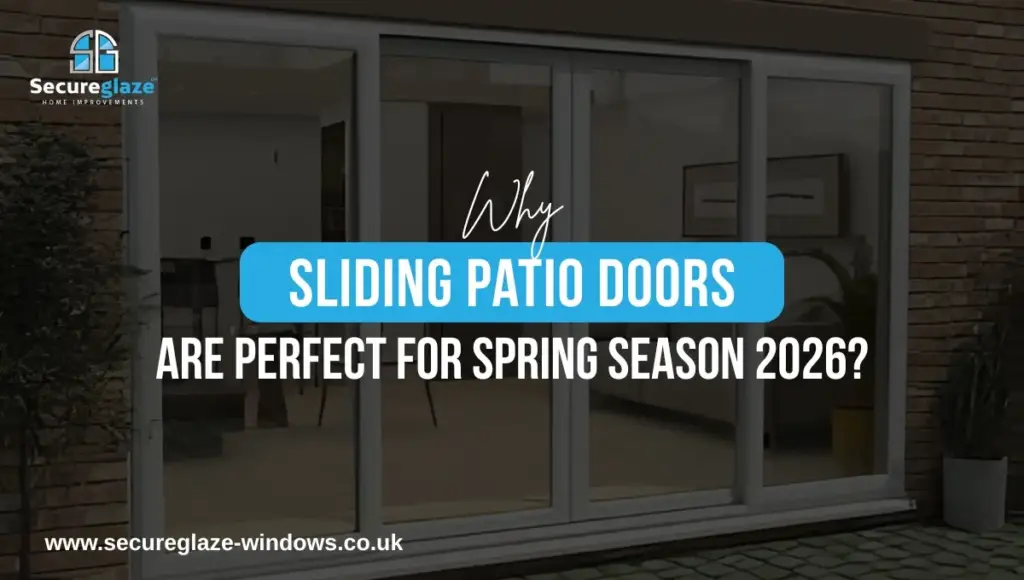
According to the 2026 Home Design Survey by the National Association of Home Builders (NAHB), 68% of new‑construction projects specify sliding patio doors for main living areas, a 12% increase from 2024. The rise is driven by three core benefits: superior daylight penetration, enhanced thermal performance, and space‑saving operation compared to traditional hinged doors.
Daylight and Aesthetic Appeal
Large glass panels can deliver up to 80% more natural light, reducing reliance on artificial lighting. A study by the Lawrence Berkeley National Laboratory (2025) found that homes with sliding patio doors experienced a 15% reduction in electricity use for lighting during daylight hours.
Table of Contents
- Why Sliding Patio Doors Are the Top Choice in 2026
- Daylight and Aesthetic Appeal
- Energy Efficiency Gains
- Space Optimization
- Key Features to Look for When Choosing a Sliding Patio Door
- Installation Process: From Measurement to Finishing Touches
- 1. Accurate Rough‑Opening Measurement
- 2. Preparing the Opening
- 3. Assembling the Door Unit
- 4. Installing Track and Rollers
- 5. Finishing and Calibration
- Common Mistakes and How to Avoid Them
- Real‑World Case Study: A Mid‑Century Modern Renovation
- Future Trends: Smart Integration and Sustainable Materials
- Frequently Asked Questions
- Do sliding patio doors compromise security compared to hinged doors?
- Can I retrofit a sliding patio door into an existing wall?
- How often should I maintain the track and rollers?
- What is the expected lifespan of a high‑quality sliding patio door?
- Are there tax credits or incentives for installing energy‑efficient doors?
- Conclusion: Choosing the Right Sliding Patio Door for Your Home
Energy Efficiency Gains
Today’s sliding doors feature low‑emissivity (Low‑E) glazing, insulated frames, and multi‑point locking systems that meet ENERGY STAR® standards. The Department of Energy reported that a properly installed sliding patio door can lower heating and cooling loads by up to 13%, comparable to upgrading to high‑performance siding such as James Hardie siding.
Space Optimization
Because the door tracks run parallel to the wall, the opening mechanism requires no swing space. This makes sliding doors ideal for compact urban homes, narrow patios, and rooms where furniture placement is critical.
Key Features to Look for When Choosing a Sliding Patio Door
- Frame Material: Aluminum, fiberglass, and thermally broken steel each offer distinct durability and insulation profiles. Aluminum frames with a thermal break are now the market leader, providing a balance of strength and low thermal conductivity.
- Glazing Options: Low‑E double‑glazed units, laminated safety glass, and optional triple‑glazing for extreme climates.
- Weather‑Seal System: Continuous gasket systems and brush seals that block drafts, moisture, and dust.
- Security Features: Multi‑point locking, reinforced glass, and optional smart locks that integrate with home automation platforms.
- Customization: Color‑matched frames, decorative grids, and optional motorized operation for effortless sliding.
Installation Process: From Measurement to Finishing Touches
A successful patio door installation hinges on meticulous planning and skilled execution. Below is a step‑by‑step guide that aligns with the best practices outlined in the Exterior Doors 2026 guide.
1. Accurate Rough‑Opening Measurement
Measure the width and height of the existing opening to the nearest 1/16 inch. Account for the door’s frame thickness and allow a 1/4‑inch clearance on each side for shims. Inaccurate measurements are the leading cause of on‑site delays, according to a 2025 industry report by the Home Builders Association.
2. Preparing the Opening
Remove the old door and any deteriorated framing. Install a waterproof membrane and flash the header to prevent water infiltration. For homes with vinyl siding, refer to the Vinyl Siding 2026 guide for compatible flashing techniques.
3. Assembling the Door Unit
Position the door frame within the opening, using level and plumb checks. Apply a continuous bead of high‑performance sealant (e.g., silicone or polyurethane) along the perimeter before securing the frame with screws and shims. This ensures a weather‑resistant patio door that meets the International Residential Code (IRC) 2025.
4. Installing Track and Rollers
Secure the upper and lower tracks using stainless‑steel fasteners. Attach rollers to the door panel, then gently slide the panel into place. Verify smooth operation and adjust the rollers for even glide.
5. Finishing and Calibration
Seal any gaps with expanding foam, install interior trim, and apply exterior caulk. Test the locking mechanism and, if applicable, program the motorized opener. Conduct a final energy‑performance test with a thermal imaging camera to confirm minimal heat loss.
Common Mistakes and How to Avoid Them
- Skipping Proper Flashing: Omitting flashing can lead to water intrusion and rot. Always follow the manufacturer’s flashing guidelines.
- Using Low‑Quality Sealant: Inferior sealants degrade under UV exposure, compromising the weather‑seal system.
- Improper Leveling: A door that isn’t perfectly level can cause binding, leading to premature wear on rollers and tracks.
- Neglecting Security Upgrades: Failing to install multi‑point locks reduces the door’s resistance to forced entry.
Real‑World Case Study: A Mid‑Century Modern Renovation
In a recent project featured by Architectural Digest (July 2026), a 2,500‑sq‑ft home in Portland, Oregon replaced a solid wood French door with a 10‑ft aluminum sliding patio door. The homeowner reported a 20% increase in natural light and a 12% reduction in heating bills after integrating Low‑E glass. The project also involved upgrading the surrounding Hardie Board siding to improve overall envelope performance.
Future Trends: Smart Integration and Sustainable Materials
By 2027, manufacturers are expected to embed IoT sensors within sliding doors that monitor seal integrity, glass temperature, and intrusion attempts. Moreover, recycled aluminum frames and bio‑based glazing compounds are gaining traction, aligning with the building sector’s goal to cut embodied carbon by 30% by 2030, as reported by the World Green Building Council.
Frequently Asked Questions
Do sliding patio doors compromise security compared to hinged doors?
No. Modern sliding doors equipped with multi‑point locking systems and reinforced laminated glass meet or exceed the security ratings of traditional hinged doors.
Can I retrofit a sliding patio door into an existing wall?
Yes, but the wall must be structurally evaluated. Reinforcing the header and ensuring proper flashing are critical steps.
How often should I maintain the track and rollers?
Clean the track quarterly and lubricate rollers annually with a silicone‑based lubricant to preserve smooth operation.
What is the expected lifespan of a high‑quality sliding patio door?
With proper installation and maintenance, aluminum frames can last 30‑40 years, while the glass components typically remain clear for 25‑30 years.
Are there tax credits or incentives for installing energy‑efficient doors?
In the United States, the 2026 Energy Efficient Home Improvement Credit offers up to $500 for qualifying windows and doors that meet ENERGY STAR® criteria.
Conclusion: Choosing the Right Sliding Patio Door for Your Home
Investing in a well‑engineered sliding patio door delivers tangible benefits—enhanced daylight, reduced energy consumption, and a modern aesthetic—while maintaining the security and durability homeowners demand. By selecting low‑E glazing, a thermally broken frame, and ensuring professional installation, you can reap long‑term savings and elevate your living space. For a holistic upgrade, consider pairing the door with high‑performance siding and exterior finishes, creating a cohesive, energy‑smart envelope that stands the test of time.
For a deeper dive into the technology behind modern sliding doors, see the Wikipedia entry on sliding doors.
