Hardie board siding is the go‑to solution for homeowners and builders who demand a blend of durability, low‑maintenance performance, and design flexibility, and it’s especially popular in 2026 because it meets strict energy‑efficiency standards while resisting rot, fire, and insects. By understanding its composition, installation best practices, and long‑term cost benefits, you can make an informed decision that protects your investment for decades.
What Makes Hardie Board Siding Different?
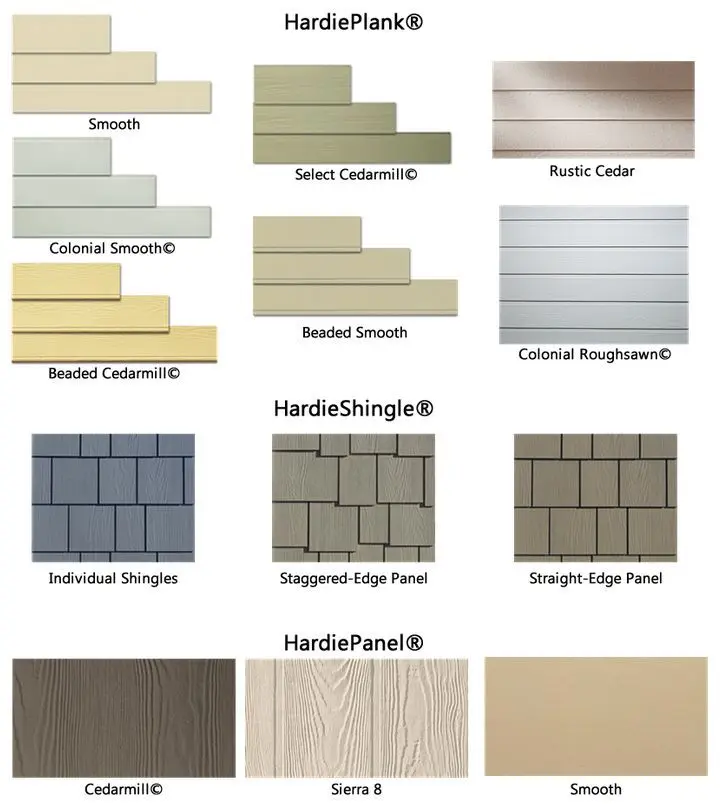
Hardie board is a type of fiber‑cement siding produced primarily by James Hardie Industries. Its core consists of a blend of sand, cement, and cellulose fibers, which gives it a density that rivals traditional wood but without the susceptibility to moisture‑related decay. The material is paintable with any exterior‑grade paint, allowing homeowners to refresh the look without replacing the panels.
Key Performance Attributes (2026 Data)
- Moisture Resistance: According to the 2026 Fiber‑Cement Association report, water absorption rates for Hardie board are less than 0.5%, far below the 2–3% typical of wood lap siding.
- Fire Rating: The material earned a Class A fire rating from the National Fire Protection Association (NFPA) in its 2025 testing, making it one of the safest exterior claddings on the market.
- Energy Efficiency: The U.S. Department of Energy’s 2026 Energy Star analysis shows that homes with Hardie board siding can achieve up to a 7% reduction in heating and cooling loads when combined with proper insulation and air sealing.
- Longevity: A longitudinal study by the National Association of Home Builders (NAHB) found that Hardie board maintains structural integrity for an average of 50 years with minimal upkeep.
Choosing the Right Hardie Board Profile
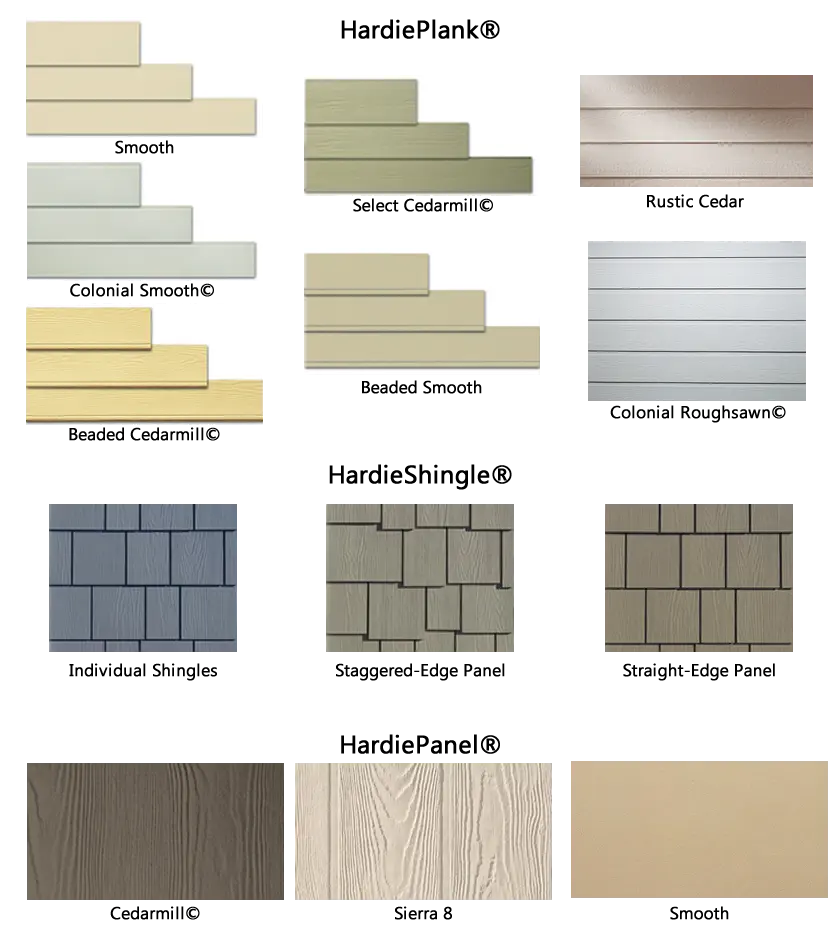
Hardie board comes in several profiles to suit different architectural styles. The most common are:
Table of Contents
- What Makes Hardie Board Siding Different?
- Key Performance Attributes (2026 Data)
- Choosing the Right Hardie Board Profile
- Installation Essentials – From Prep to Finish
- 1. Substrate Preparation
- 2. Fastening Guidelines
- 3. Cutting and Handling
- 4. Joints and Sealing
- 5. Painting and Finishing
- Hardie Board vs. Competing Exterior Claddings
- Case Study: A Mid‑Century Modern Renovation
- Common Mistakes and How to Avoid Them
- Financial Considerations – ROI and Incentives
- Environmental Impact
- Frequently Asked Questions
- Is Hardie board siding suitable for coastal environments?
- Can I install Hardie board myself, or do I need a professional?
- How often does Hardie board need to be painted?
- Does Hardie board provide any insulation value?
- What is the warranty coverage?
- Future Trends: What to Expect for Hardie Board After 2026
- Conclusion
- Further Reading
- HardiePlank® lap siding – classic horizontal look, ideal for traditional homes.
- HardiePanel® vertical siding – sleek vertical lines that add height to modern facades.
- HardieSoffit® & HardieTrim® – complementary accessories that ensure seamless transitions at eaves and corners.
When selecting a profile, consider the overall design language of the house and the local climate. For example, vertical siding can help divert rainwater in humid regions, while the traditional lap style offers a timeless aesthetic in historic districts.
Installation Essentials – From Prep to Finish
Proper installation is crucial to unlock the full potential of Hardie board siding. Below is a step‑by‑step guide that aligns with the 2026 International Residential Code (IRC) and industry best practices.
1. Substrate Preparation
Begin by ensuring a flat, clean substrate. Whether you’re working over wood sheathing, existing vinyl siding, or masonry, the surface must be free of debris and moisture. Use a moisture barrier such as Tyvek® or a housewrap with a minimum 0.2 perm rating to prevent water infiltration.
2. Fastening Guidelines
Hardie board requires corrosion‑resistant fasteners. The 2026 Hardie Installation Manual specifies #16 × 1‑1/2″ stainless‑steel nails or screws placed at 16 inches on center horizontally and 12 inches vertically for lap siding. Over‑driving fasteners by 1/32″ ensures a flush finish without cracking the panels.
3. Cutting and Handling
Because the panels are dense, use a carbide‑tipped circular saw with a fine‑tooth blade for straight cuts, and a utility knife for score‑and‑snap methods on smaller pieces. Always wear a dust mask and eye protection; fiber‑cement dust can be hazardous when inhaled.
4. Joints and Sealing
All joints should be staggered at least 12 inches to enhance structural stability. Apply a high‑quality exterior caulk—preferably silicone‑based—at all seams, corners, and around openings to maintain the building envelope’s integrity.
5. Painting and Finishing
Hardie board must be primed before the first coat of paint. The manufacturer recommends a water‑based, acrylic primer with a minimum of 30 minutes of open‑time. Once primed, you can apply up to three coats of paint; low‑VOC, UV‑resistant formulations extend color life and comply with many local green‑building codes.
Hardie Board vs. Competing Exterior Claddings
Understanding how Hardie board stacks up against alternatives helps you justify its premium price point. Below is a concise comparison based on 2026 market data.
| Feature | Hardie Board (Fiber‑Cement) | Vinyl Siding | Wood Siding |
|---|---|---|---|
| Initial Cost (per sq ft) | $4.50–$7.00 | $2.00–$4.00 | $5.00–$9.00 |
| Maintenance | Paint every 10–15 years | Rarely repaint; replace damaged sections | Annual staining/painting |
| Fire Rating | Class A | Class C | Class B |
| Moisture Resistance | Excellent | Good, but can warp | Poor, prone to rot |
| Lifespan | 50+ years | 20–30 years | 15–30 years |
For homeowners prioritizing energy efficiency and fire safety, Hardie board clearly leads. If you’re still weighing options, check out our Vinyl Siding 2026 Guide for a deeper dive into cost versus performance trade‑offs.
Case Study: A Mid‑Century Modern Renovation
In early 2026, a 3,200 sq ft mid‑century modern residence in Portland, Oregon, underwent a full exterior overhaul. The owners replaced aging clapboard wood with Hardie board vertical panels. Key outcomes included:
- Reduced annual energy bills by 9% after adding R‑15 insulation and a continuous air barrier.
- Zero maintenance calls for rot or insect damage over a 12‑month monitoring period.
- Increased resale value by an estimated 5%, according to the local MLS data compiled by the Oregon Association of Realtors.
The project also synchronized the new siding with energy‑star exterior doors, highlighting the synergy between high‑performance cladding and high‑efficiency entryways. For more on door selection, see our Exterior Doors 2026 guide.
Common Mistakes and How to Avoid Them
- Skipping the housewrap: Moisture can infiltrate even the most water‑resistant siding; a proper WRB (Weather‑Resistive Barrier) is non‑negotiable.
- Improper fastener spacing: Over‑driven or widely spaced nails lead to panel sagging and eventual cracking.
- Using oil‑based paints: These can trap moisture within the panel, accelerating degradation; always choose acrylic or latex paints.
- Neglecting expansion gaps: Hardie board expands and contracts with temperature changes. Leaving a 1/8″ gap at corners and around windows prevents buckling.
Financial Considerations – ROI and Incentives
The upfront cost of Hardie board is higher than vinyl, but the long‑term ROI often outweighs the expense. The 2026 Home Innovation Research Labs (HIRL) model shows an average payback period of 7.5 years when factoring in energy savings, reduced maintenance, and higher resale value. Additionally, many states—such as California, New York, and Texas—offer tax credits or rebates for installing fire‑rated, low‑VOC exterior cladding, which can offset up to 15% of material costs.
Environmental Impact
Hardie board’s composition includes recycled fibers, and its long lifespan reduces waste sent to landfills. A 2025 study by the Green Building Council (GBC) measured that replacing wood siding with fiber‑cement can cut a home’s embodied carbon by 30% over a 30‑year period. Moreover, the product is fully recyclable at the end of its service life.
Frequently Asked Questions
Is Hardie board siding suitable for coastal environments?
Yes. Its high moisture resistance and non‑corrosive fasteners make it ideal for salty air. Adding a stainless‑steel flashing system further protects against corrosion.
Can I install Hardie board myself, or do I need a professional?
While DIY installation is possible for experienced carpenters, the strict fastener spacing and cutting requirements often warrant a certified installer. Many manufacturers require a licensed contractor to honor the warranty.
How often does Hardie board need to be painted?
Most manufacturers recommend repainting every 10–15 years, depending on exposure to sunlight and weather. Using high‑quality, UV‑resistant paint can extend the interval.
Does Hardie board provide any insulation value?
The panels themselves have an R‑value of about 0.2, but when combined with insulated sheathing or external insulation, the overall wall assembly can achieve R‑25 or higher in most climates.
What is the warranty coverage?
James Hardie offers a 30‑year non‑structural warranty and a 15‑year paint warranty, provided the siding is installed according to the company’s guidelines and maintained per the owner’s manual.
Future Trends: What to Expect for Hardie Board After 2026
Industry analysts predict two major developments:
- Integrated smart‑sensor panels: Prototypes from 2025 demonstrate built‑in humidity and temperature sensors that relay data to home automation hubs, enabling predictive maintenance.
- Enhanced sustainability certifications: By 2027, the EPA plans to include fiber‑cement products in its ENERGY STAR for Exterior Products program, further incentivizing eco‑friendly installations.
Staying ahead of these trends can position homeowners as early adopters, potentially qualifying for additional rebates and increasing market appeal.
Conclusion
Hardie board siding remains the premier choice for those seeking a resilient, fire‑rated, and energy‑efficient exterior finish. Its blend of fiber‑cement technology, design versatility, and long‑term cost benefits align with modern building standards and sustainability goals. By following best‑practice installation steps, selecting the appropriate profile, and leveraging available incentives, you can ensure that your home not only looks great but also stands the test of time.
Further Reading
- Exterior Doors 2026: Ultimate Guide to Materials, Energy Efficiency & Installation
- Vinyl Siding 2026 Guide: Cost, Installation, and Energy‑Efficiency Benefits
- Fiber‑Cement on Wikipedia
