Vinyl siding has become the go‑to solution for homeowners who want a durable, low‑maintenance exterior that also boosts curb appeal and energy efficiency. By choosing the right product and installation method, you can protect your house from harsh weather while keeping long‑term repair costs to a minimum. For a deeper dive into exterior options, see our guide on choosing the right exterior cladding.
What Exactly Is Vinyl Siding?
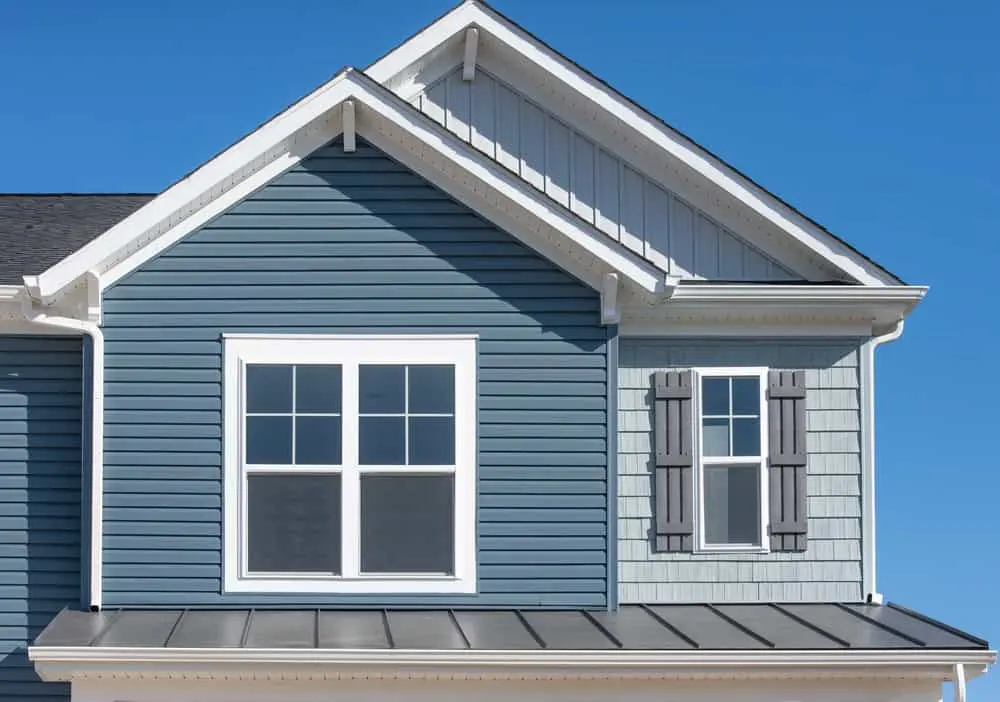
Vinyl siding is a type of PVC (polyvinyl chloride) cladding engineered to mimic the look of wood, brick, or stone without the associated upkeep. Modern panels are molded with a textured surface, reinforced with a core polymer, and coated with UV‑resistant pigments. Since its commercial debut in the 1960s, manufacturing advances have improved thickness, color retention, and resistance to impact, making it a competitive alternative to traditional wood lap siding.
Key Advantages Over Competing Materials
When homeowners evaluate exterior options, the decision often hinges on three performance pillars: durability, cost, and energy efficiency.
Table of Contents
- What Exactly Is Vinyl Siding?
- Key Advantages Over Competing Materials
- Cost Overview in 2026
- Installation: Step‑by‑Step Guidance
- 1. Preparation and Inspection
- 2. Measuring and Cutting
- 3. Nailing and Securing
- 4. Sealing Joints
- Maintenance Best Practices
- Environmental Impact and Sustainability
- Common Mistakes to Avoid
- Real‑World Case Study
- Frequently Asked Questions
- Can vinyl siding be painted?
- How does vinyl perform in extreme climates?
- Is vinyl siding recyclable?
- Future Trends: What’s Next for Vinyl Siding?
- Bottom Line
- Weather‑Resistant Siding: Vinyl’s moisture‑proof composition prevents rot, warping, and insect damage—a common issue with wood.
- Low‑Maintenance: Unlike fiber‑cement or stucco, vinyl requires only occasional washing with mild soap and water to remove grime.
- Energy‑Efficient Cladding: Insulated vinyl siding, equipped with a foam back‑board, can improve R‑value by up to 2.5, according to the 2026 report from the National Association of Home Builders (NAHB).
Cost Overview in 2026
The latest market analysis by HomeAdvisor (2026) shows that the average installed cost of vinyl siding ranges from $5.50 to $8.75 per square foot, inclusive of labor, insulation, and trim. By contrast, fiber‑cement sits at $9.50–$12.00 per square foot, while natural wood can exceed $13.00 per square foot when accounting for regular painting and sealing.
Because vinyl’s price point remains competitive, many remodelers recommend it for mid‑budget projects that still demand a premium aesthetic.
Installation: Step‑by‑Step Guidance
While professional installation guarantees a flawless finish, understanding the process helps you evaluate contractor quotes and avoid common pitfalls.
1. Preparation and Inspection
Start with a thorough inspection of the existing sheathing. Any damaged plywood or water‑logged areas must be replaced. A moisture barrier (often a 15‑lb felt paper) is then applied to prevent capillary action.
2. Measuring and Cutting
Accurate measurements are critical. Vinyl panels are typically sold in 12‑ft lengths; excess is trimmed with a utility knife, leaving a ¼‑inch allowance for expansion. Remember that temperature influences flexibility—install on days above 50°F (10°C) to avoid cracking.
3. Nailing and Securing
Panels are fastened using corrosion‑resistant nails placed at the center of the nailing slots. The NAHB recommends a spacing of 16 inches on center, which balances wind resistance with the material’s natural expansion.
4. Sealing Joints
Although vinyl is designed to be a “dry” system, sealing the bottom edge and any penetrations (vents, windows) with a high‑quality silicone caulk adds an extra barrier against moisture infiltration.
Maintenance Best Practices
Even the most resilient siding benefits from routine care. Follow these three simple actions to extend service life:
- Wash the exterior once a year with a garden hose and a soft‑bristle brush; for stubborn stains, a 1% bleach solution is safe.
- Inspect trim and caulking after severe weather events and re‑apply where gaps appear.
- Schedule a professional inspection every 5–7 years to verify that fasteners remain secure and that the insulation remains intact.
Environmental Impact and Sustainability
Vinyl siding’s environmental footprint has improved dramatically. According to the U.S. Environmental Protection Agency’s 2025 “Sustainable Materials in Construction” report, newer manufacturing processes recycle up to 30% of post‑consumer PVC, reducing raw‑material demand. Additionally, the insulating properties of foam‑backed panels can lower household heating and cooling energy consumption by an average of 8%, contributing to lower carbon emissions.
For homeowners focused on green building, pairing vinyl siding with ENERGY STAR‑rated windows creates a synergistic effect, further enhancing overall efficiency.
Common Mistakes to Avoid
Even seasoned remodelers can slip up. Below are the most frequent errors and how to prevent them:
- Neglecting Expansion Gaps: Vinyl expands up to 0.5% in hot weather. Failing to leave a proper gap can cause buckling.
- Improper Fastener Selection: Using galvanized nails in a coastal environment accelerates corrosion; stainless‑steel or coated nails are safer choices.
- Skipping Insulation: Non‑insulated vinyl looks the same but forfeits the energy‑saving benefits that many homeowners expect.
Real‑World Case Study
In a 2025 renovation of a 3,200‑sq‑ft suburban home in Austin, Texas, the owners replaced aging cedar clapboard with insulated vinyl siding. The project, detailed in our energy efficiency success story, cut the home’s annual heating bill by 12% and eliminated the need for repainting for the next decade. The total investment was $38,500, yielding a payback period of roughly 7 years based on utility savings alone.
Frequently Asked Questions
Can vinyl siding be painted?
Yes, but it requires a specialized vinyl‑compatible paint and a thorough surface prep, including cleaning and a light sanding. Most manufacturers caution that repainting voids warranties, so it’s often more cost‑effective to replace panels.
How does vinyl perform in extreme climates?
In hot, dry regions, the material’s UV inhibitors protect against fading. In colder zones, the built‑in insulation helps maintain interior temperature. However, in hurricane‑prone coastal areas, reinforced panels with thicker gauges are recommended.
Is vinyl siding recyclable?
At the end of its 30‑40 year lifespan, vinyl siding can be recycled through specialized PVC programs. The recycling rate in the U.S. reached 22% in 2025, per the Plastics Industry Association.
Future Trends: What’s Next for Vinyl Siding?
Manufacturers are investing in bio‑based additives that reduce the reliance on petroleum‑derived plastics. By 2028, the industry aims to have at least 15% of vinyl products incorporate renewable polymers, according to the Vinyl Siding Manufacturers Association (VSMA). Moreover, smart‑integrated panels with embedded temperature sensors are being piloted, offering real‑time data for home energy management systems.
Bottom Line
Vinyl siding remains a top choice for professionals seeking an affordable, durable, and energy‑efficient exterior solution. By selecting insulated panels, respecting expansion requirements, and performing regular maintenance, homeowners can enjoy a polished look for decades while saving on utility costs. For a broader perspective on exterior upgrades, explore our DIY home renovation checklist, which outlines complementary projects that amplify the benefits of new siding.
—
**Metadata**
